
This article explains the most important road signs you must follow, their meanings, and why they matter for road safety and smooth traffic flow.
Why Road Signs Are Essential for Traffic Safety
Traffic signs are designed to provide clear and instant information to drivers. They help prevent confusion, reduce traffic congestion, and minimize road accidents. Road safety signs are standardized so that drivers can recognize them quickly, even at high speeds or in poor weather conditions.
Following road signs:
- Reduces the risk of collisions
- Improves traffic discipline
- Protects pedestrians and cyclists
- Helps drivers make quick and safe decisions
Road signs are not optional suggestions; they are legal requirements that must be obeyed at all times.
Types of Road Signs Every Driver Should Know
Road signs are generally divided into three main categories:
- Regulatory Signs
- Warning Signs
- Informational and Guide Signs
Each category serves a specific purpose and helps maintain order on the roads.
Regulatory Road Signs You Must Obey
Regulatory signs are the most important traffic signs because they enforce laws and regulations. Failing to follow these signs can result in fines, penalties, or accidents.
Stop Sign
The stop sign is one of the most recognized traffic signs worldwide. It requires drivers to come to a complete stop before proceeding. This sign is usually placed at intersections to prevent collisions.
Ignoring a stop sign can cause serious accidents, especially at busy crossings.
Speed Limit Signs
Speed limit signs indicate the maximum or minimum speed allowed on a specific road. These signs are placed to ensure safe driving based on road conditions, traffic volume, and surrounding areas such as schools or residential zones.
Driving over the speed limit reduces reaction time and increases the severity of accidents.
No Entry Sign
A no entry sign prohibits vehicles from entering a specific road or lane. It is often used to prevent wrong-way driving and reduce traffic conflicts.
Entering a restricted road can cause head-on collisions and disrupt traffic flow.
One-Way Traffic Sign
One-way signs inform drivers that traffic is allowed in only one direction. Following these signs helps prevent accidents and keeps traffic moving smoothly.
Yield or Give Way Sign
This sign instructs drivers to slow down and give priority to other vehicles or pedestrians. Yield signs are commonly used at intersections and roundabouts.
Warning Road Signs That Protect Lives
Warning signs alert drivers to potential dangers ahead. These signs allow motorists to adjust their speed and driving behavior in advance.
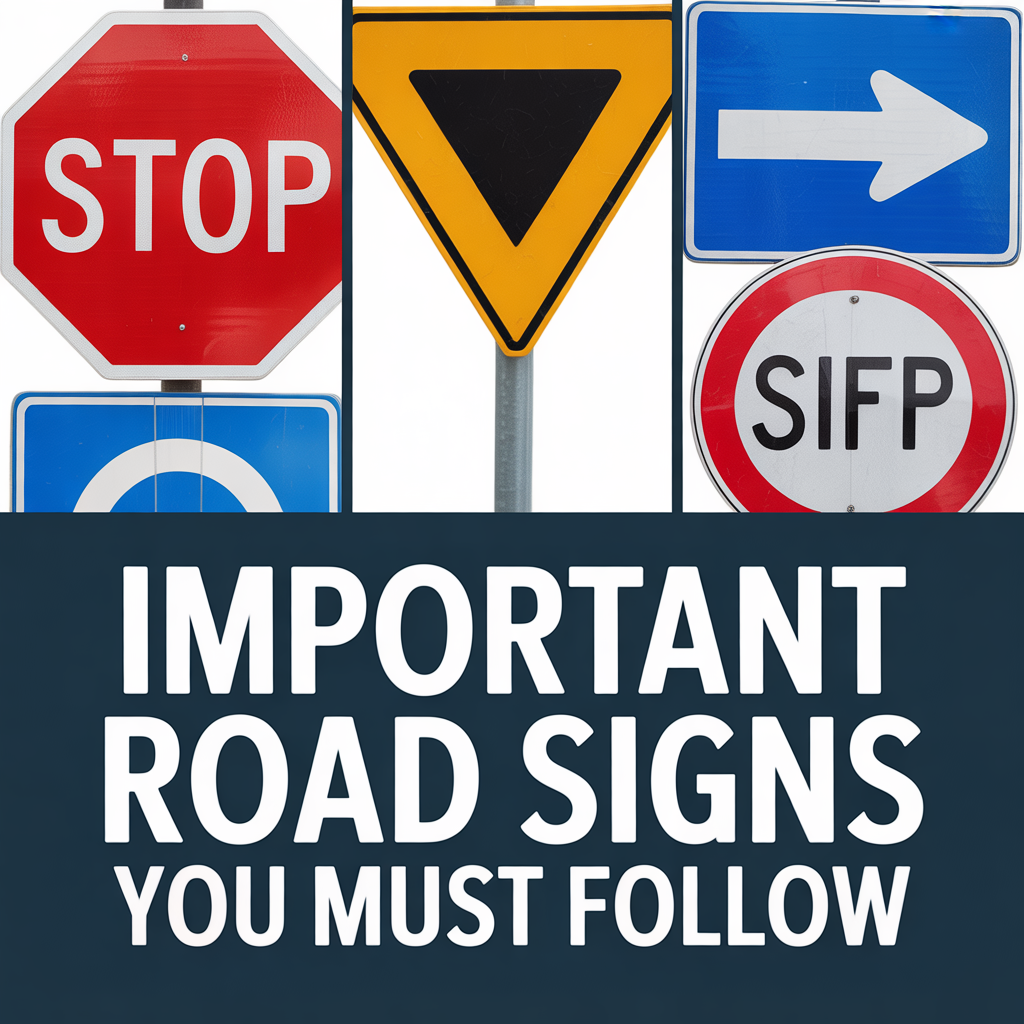
Sharp Turn Ahead
This sign warns drivers of a sudden curve or bend in the road. Slowing down before reaching the turn reduces the risk of skidding or losing control.
Pedestrian Crossing Sign
Pedestrian crossing signs indicate areas where people may cross the road. Drivers should reduce speed and stay alert to avoid accidents.
School Zone Sign
School zone signs warn drivers that children may be present. Speed limits are usually lower in these areas to protect young pedestrians.
Slippery Road Sign
This sign alerts drivers to roads that may become slippery due to rain, ice, or oil spills. Maintaining a safe distance and reducing speed is crucial in such conditions.
Road Work Ahead
Road construction signs warn drivers of ongoing maintenance or repairs. These signs help prevent accidents and ensure the safety of workers and drivers.
Informational and Guide Road Signs
Informational signs provide helpful guidance rather than strict rules. They assist drivers in navigating unfamiliar areas and reaching destinations safely.
Directional Signs
These signs show directions to cities, highways, and important locations. They help drivers plan routes and avoid sudden lane changes.
Parking Signs
Parking signs inform drivers where parking is allowed or prohibited. Ignoring parking rules can cause traffic jams and legal penalties.
Hospital and Emergency Signs
These signs indicate the location of hospitals, emergency services, or first aid centers. They are especially useful during emergencies.
Fuel and Service Signs
Service signs guide drivers to fuel stations, rest areas, restaurants, and repair services, making long journeys more comfortable.
Road Signs for Pedestrian and Cyclist Safety
Road signs are not only for drivers. They also protect pedestrians and cyclists by defining safe crossing zones and cycling paths.
- Zebra crossing signs ensure safe pedestrian movement
- Bicycle lane signs help reduce conflicts between vehicles and cyclists
- No horn signs protect quiet zones such as hospitals and schools
Respecting these signs creates a safer environment for all road users.
Common Mistakes Drivers Make with Road Signs
Many road accidents occur because drivers ignore or misunderstand traffic signs. Common mistakes include:
- Overspeeding despite posted speed limits
- Rolling stops instead of complete stops
- Ignoring pedestrian crossings
- Entering restricted or no-entry zones
Developing good driving habits and staying attentive can significantly reduce these errors.
Importance of Road Signs in Modern Traffic Systems
With increasing traffic volume and vehicle numbers, road signs have become more important than ever. Smart cities and modern traffic systems rely heavily on clear signage to manage traffic efficiently.
Road signs also support:
- Traffic law enforcement
- Accident prevention strategies
- Driver education and training
Without proper signage, roads would become chaotic and dangerous.
How to Improve Awareness of Traffic Signs
Drivers can improve their understanding of road signs by:
- Studying traffic rules before driving
- Taking refresher driving courses
- Observing signs carefully, especially in new areas
- Teaching young drivers the importance of traffic signs
Awareness and education are key to reducing road accidents.
Conclusion
Road signs are a fundamental part of road safety and traffic management. They guide drivers, warn them of dangers, and enforce traffic laws. Following important road signs is not just about avoiding fines; it is about protecting lives and creating a safer driving environment for everyone.
Every responsible driver must understand and respect traffic signs at all times. By obeying road safety signs, staying alert, and driving responsibly, we can significantly reduce accidents and make our roads safer for future generations.
Safe driving begins with following the signs on the road.